How to Simplify Travel Planning for Large Groups
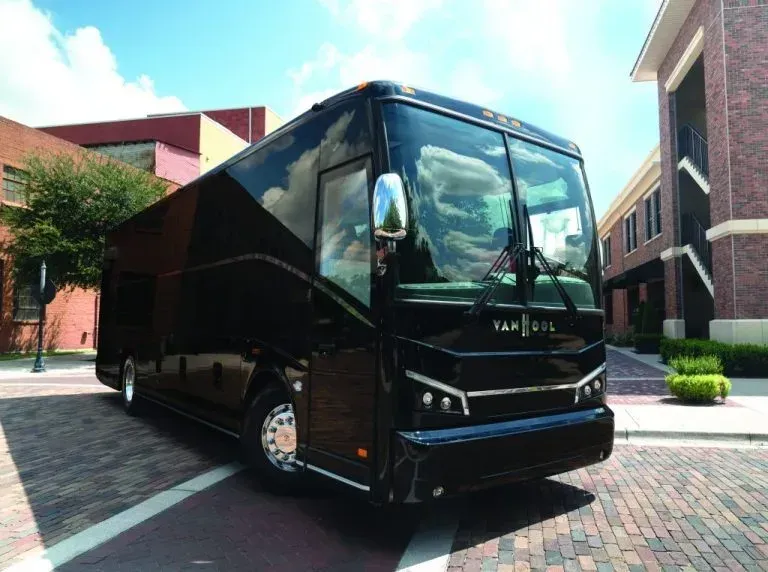
Managing transportation for a large group can rapidly become a complicated undertaking when numerous schedules, pickup plans, and travel expectations must be considered. Whether the occasion is a professional meeting, family event, social outing, or special gathering, coordinating punctual arrivals requires thoughtful organization. A well-organized transportation strategy helps eliminate confusion, reduces delays, and creates a more enjoyable experience for everyone involved. By understanding the key elements of group transportation coordination, organizers can create a seamless travel experience from beginning to end.
When large groups travel together, transportation becomes more than simply moving passengers from one location to another. It serves as an essential element of the overall occasion. Careful organization helps preserve timelines, strengthen participant communication, and improve overall travel comfort. At A1 Quality Express Limousine, we recognize the value of providing structured transportation solutions that allow groups to travel comfortably and confidently.
Start Planning Transportation Well in Advance
Effective group transportation starts with advance preparation. Late planning can reduce transportation choices and make it more difficult to satisfy group requirements. Coordinators should initially determine the number of travelers, key travel dates, departure estimates, and destination expectations. Early information gathering lays the groundwork for transportation arrangements that complement the event timeline.
Early preparation helps organizers identify possible challenges before they create disruptions. Transportation arrangements can be affected by traffic conditions, event timelines, pickup coordination, and accessibility requirements. Taking care of these elements early allows organizers to implement transportation plans that keep travelers moving effectively. Comprehensive planning frequently leads to more seamless travel experiences and fewer surprises.
Evaluate Group Size and Travel Requirements
One of the most important steps in coordinating transportation for large groups is understanding the group's size and specific requirements. Accurate traveler counts assist in matching transportation resources to group requirements effectively. Organizers should determine attendance figures in advance and continue refining them as plans develop.
Beyond simply counting travelers, it is limousine fleet essential to understand individual requirements within the group. Some travelers may require additional luggage space, while others may need special accommodations or assistance. Considering these factors allows transportation planning to address specific passenger needs more effectively. Thorough information gathering supports transportation arrangements that enhance convenience and comfort for every traveler.
Develop a Comprehensive Transportation Schedule
A precise transportation schedule provides direction for the entire group. Coordinators should define departure timings, pickup areas, estimated travel durations, arrival expectations, and stopovers along the route. A clear schedule helps eliminate uncertainty and keeps all participants informed of timing and locations. Clear communication and consistent scheduling are essential for managing large groups effectively.
Effective communication greatly contributes to schedule reliability. All passengers should be provided with transportation information prior to the event. Sharing itineraries through email, messaging platforms, or printed materials helps keep everyone informed. When participants have clear expectations, transportation operations tend to run more smoothly and efficiently.
Set Up Central Pickup and Drop-Off Points
Organizing numerous pickup areas often increases logistical difficulty for large groups. Whenever possible, organizers should establish centralized pickup and drop-off points that are convenient for participants. Centralizing locations helps speed up boarding and minimizes delays caused by frequent stops. This approach improves communication flow and strengthens overall efficiency.
Centralized locations provide additional benefits by making it easier to account for all travelers before departure. Team leaders can confirm group members, distribute information, and handle inquiries before departure. This structured approach ensures all participants are ready and helps maintain schedule accuracy. Well-defined meeting areas contribute to efficient and organized transportation.
Prioritize Clear Communication Throughout the Process
Reliable communication is essential for successful transportation management. All group members should receive ongoing updates about schedules and changes. Providing precise details helps avoid confusion and improves readiness. Strong communication increases both efficiency and overall satisfaction.
Organizers should establish reliable methods for sharing updates before and during the event. Designated contacts and digital communication tools help spread updates quickly. At the center of every successful plan, communication ensures consistency and awareness. Ongoing communication supports confidence and limits disruptions.
Be Ready for Unplanned Events
Even well-planned transportation schedules may face unforeseen situations. Conditions such as weather, traffic, timing changes, and delays may demand immediate action. Incorporating adaptability helps ensure smooth responses to unexpected events. Being prepared strengthens adaptability and keeps operations running smoothly.
Contingency planning should include backup communication methods, alternate routes when appropriate, and designated points of contact who can assist with decision-making. Prepared systems help reduce stress and maintain order during disruptions. Early planning supports continued efficiency despite modifications.
Focus on Passenger Comfort and Convenience
Comfort is a major factor in the overall travel experience. Extended group travel makes comfort and convenience key priorities. Proper seating arrangements and organized boarding improve the overall journey atmosphere. Comfortable travelers are more likely to enjoy the journey and arrive prepared.
Convenience enhances the effectiveness of transportation arrangements. Efficient procedures and clear instructions reduce unnecessary difficulties. Well-structured transportation lets passengers enjoy the occasion without concern. Convenient travel arrangements support a more successful overall experience.
Engage Professional Transportation Specialists
Handling group transportation requires managing many elements, making expert support important. Expert providers are capable of handling schedules and coordinating group movement effectively. Professional experience helps ensure structured and dependable transportation planning.
Experienced teams offer insights that improve planning and execution. Familiarity with large-group travel allows professionals to foresee challenges and offer guidance. With professional help, organizers can focus on the event while logistics are managed with precision.
Integrate Group Transportation Into the Event Experience
Transport should be seen as an extension of the overall experience, not only a means of movement. Well-coordinated transportation creates opportunities for participants to relax, connect, and begin enjoying the occasion before arriving at the destination. When well organized, transportation enhances the overall experience and creates a welcoming environment.
At A1 Quality Express Limousine, we believe successful group transportation begins with thoughtful planning, clear communication, and a commitment to passenger satisfaction. With the right approach, coordinating large-group travel can be simple and efficient. By emphasizing structure, preparation, and comfort, groups can experience smooth travel that enhances any event. We take pride in delivering smooth transportation experiences that help every passenger travel confidently and comfortably.